
Aquatecture – Design Perspectives for Living on the Water
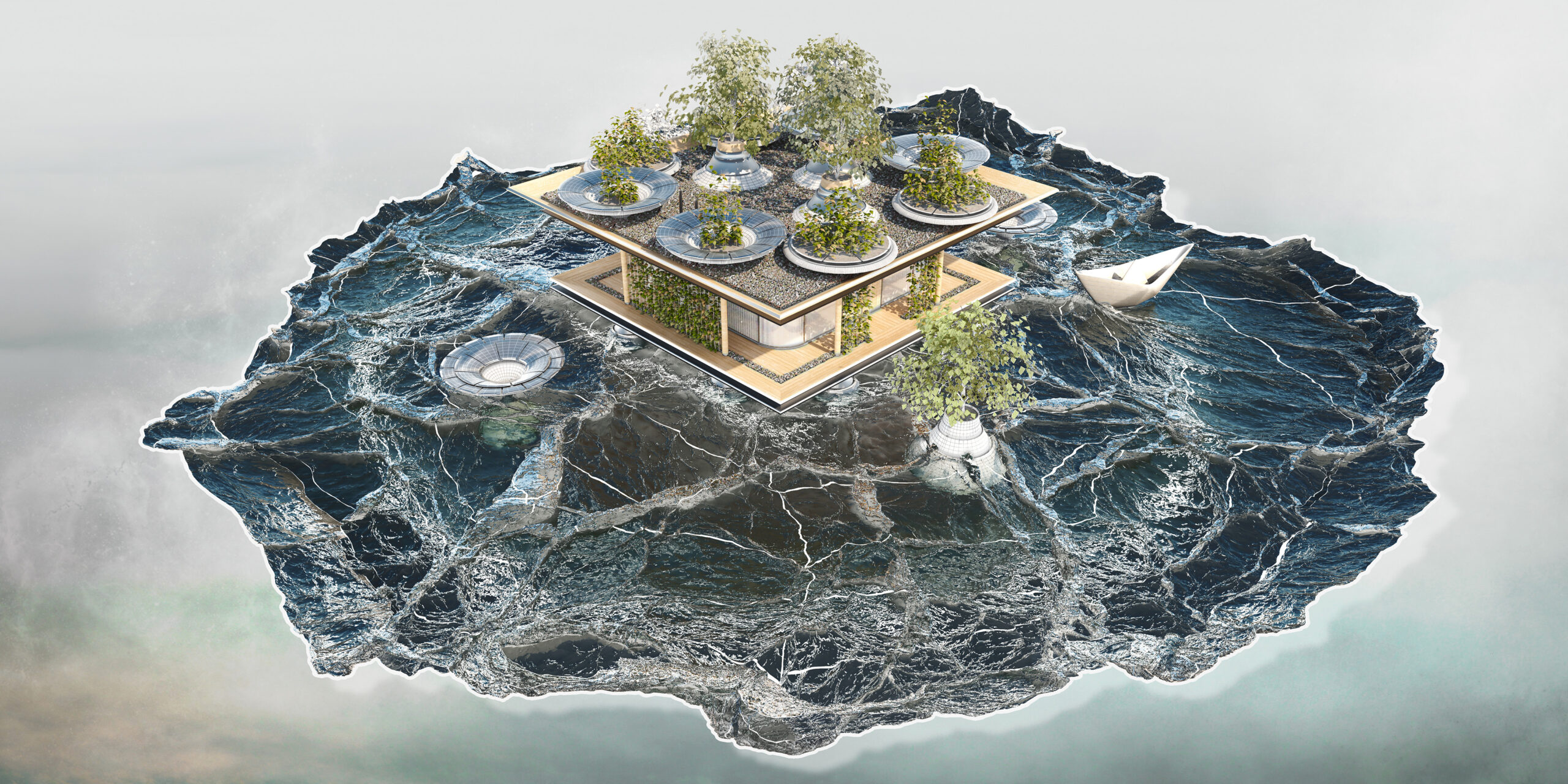
Aquatecture is architecture located wholly, partly or in close proximity to water surroundings. It is the subject of my doctoral research and of my book, and I believe it is one of the most important directions for architecture in the 21st century. Here is a short overview of why.
Cities have always followed the water
Since the first civilisations, a large body of water nearby has drawn people together and helped settlements thrive. Water meant irrigation, fishing and food for many people on a small piece of land, and it made transporting goods faster and easier than over land. The civilisations with the best harbours and shipping connected distant continents and shaped world history. That pattern has not changed: look at a map of where the world’s eight billion people live and you will see them concentrated along the coasts. As megacities keep growing, that trend is set to continue.
The next step: using the water itself
I see coastal cities as the setting for a new stage of urban development, in which the megacities of the future make efficient use of the water around them. The key is to bring residents as close as possible to their aquatory and to plan the use of water areas together with the city’s land, resources, energy and transport. Water is becoming a vital space for coastal cities that urgently need room for new functions.
Resources from the water
For buildings on the water to function independently, they need resources – and the water offers many. Offshore wind and solar farms are already common, and they can be complemented by turbines that harness tides and currents, desalination plants, and facilities producing hydrogen. What matters is their efficiency and their footprint on nature.
Floating cities already exist
Cruise ships are working models of floating towns, at both small and large scale. They show how future water centres could attract people further out into the sea. These cities will need flexible urbanism: mobile structures that can be reconfigured easily, creating a living environment that adapts quickly to change. Above all, they must offer the same comfort and safety as life on land.
The missing link: greenery
One project that explores this is PARK–HOME, a compact single-storey family house on the water with a recreation space and viewing deck above. It gives its residents their own small park, enjoyed together with the water views. Greenery is what water lacks most, and bringing it in creates continuity between conventional living on land and aquatecture.
These ideas are explored in depth in my bilingual book Aquatecture – Potential + Perspectives. A Bulgarian version of this article was published by Cherti in June 2025.
See all coverage on the Media & Press page.